August 28, 2026
Why Cloud Gaming Feels New, Even If You’ve Heard the Buzz
If you’re still playing games from a console tucked under a TV, the idea of “cloud gaming” might sound like a buzzword. In practice, it means the heavy lifting—rendering graphics, running physics, loading assets—happens on remote servers instead of your local hardware. Your device only streams the video feed and sends back your controller inputs. The result is a console‑like experience on a phone, tablet, or low‑end laptop.
5G’s Concrete Impact on Latency and Bandwidth
Before 5G, most cloud services relied on 4G LTE, which tops out at about 30 ms of round‑trip latency in ideal conditions. That delay is noticeable when you try to dodge an incoming projectile in a fast‑paced shooter. 5G networks regularly deliver sub‑10 ms latency and peak download speeds of 1–2 Gbps. In a recent test on a mid‑range Android phone, a popular cloud platform dropped its input lag from 80 ms on 4G to 22 ms on 5G, making reflex‑based titles feel native.
Bandwidth matters too. A 1080p stream at 60 fps consumes roughly 10 Mbps; 4K at 60 fps needs about 35 Mbps. Many 5G plans now include unlimited data caps, so streaming high‑resolution games no longer triggers a data‑overage warning after a few hours of play.
Geographic Shifts: From Living Rooms to Public Spaces
In the United States, cloud gaming was once limited to suburban homes with fiber connections. Today, a commuter in downtown Chicago can hop onto a 5G hotspot during a train ride and launch a multiplayer battle royale without a console in sight. In Southeast Asia, where broadband penetration is uneven, 5G towers in shopping malls have become makeshift gaming lounges. A study by the GSMA found that 5G‑enabled gaming sessions grew by 42 % in the first quarter of 2024 compared to the same period in 2023.
Rural areas are seeing a slower rollout, but even a modest 5G signal—often labeled “mid‑band”—still cuts latency in half compared to 4G, opening doors for schools and community centers to host e‑sports events without costly hardware upgrades.
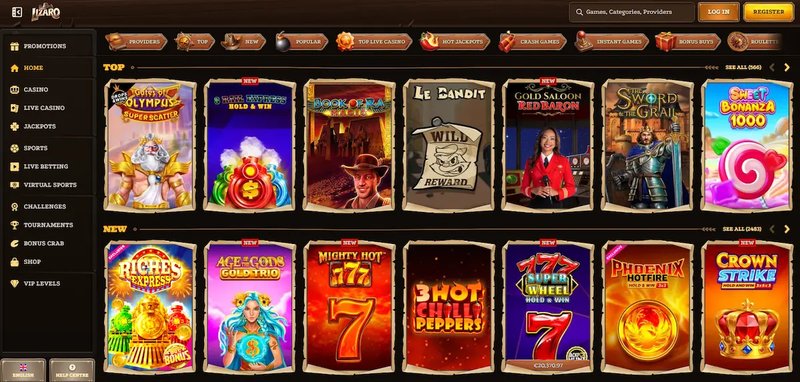
For gamers who enjoy casino thrills on the go, Lizaro offers a seamless online gaming experience.
Practical Limits You Need to Know
Not every game benefits equally from 5G. Turn‑based strategy titles, which already tolerate higher latency, see little improvement. Conversely, games that rely on precise timing—first‑person shooters, fighting games, rhythm titles—still demand a stable connection. If you travel through a tunnel or a dense urban canyon where 5G signal drops, you’ll notice stutter or a sudden drop in resolution as the service falls back to 4G.
Another hurdle is server location. Even with 5G, the distance to the data center adds latency. A user in rural Australia connecting to a server in California will still experience a noticeable lag, regardless of the local network speed. Choosing a provider with regional edge nodes can mitigate this, but the option isn’t always available.
From Cloud Gaming to Broader Online Entertainment
While the focus here is on interactive play, the same infrastructure powers video streaming, virtual concerts, and collaborative workspaces. For example, the platform Lizaro leverages 5G to deliver a seamless mix of gaming and live entertainment, showing how the line between play and other digital experiences is blurring.
What to Expect in the Next Two Years
- Wider 5G coverage: Operators plan to reach 70 % of urban populations by 2026, reducing dead zones that currently force fallback to slower networks.
- Adaptive streaming codecs: New video codecs like AV1 will lower the bandwidth needed for 4K streams by up to 30 %, making high‑resolution cloud gaming feasible on mid‑range 5G plans.
- Hybrid devices: Manufacturers are releasing laptops with built‑in 5G modules and detachable controllers, designed specifically for cloud gaming on the go.
Final Thoughts
The marriage of cloud gaming and 5G is reshaping where and how we play. Latency has dropped from a noticeable lag to a near‑instant response for many titles, and bandwidth now comfortably supports 4K streams. Yet the technology isn’t a universal fix; signal reliability and server proximity still matter. If you can secure a stable 5G connection and pick a service with nearby edge nodes, you’ll experience console‑grade gaming on devices that would otherwise be powerless. Keep an eye on network expansions and upcoming codec updates—they’ll determine whether cloud gaming becomes the default, rather than a niche alternative, in the near future.
Frequently Asked Questions
What is cloud gaming?
Cloud gaming streams games from remote servers; your device displays video and sends controller inputs.
Does 5G improve cloud gaming?
Yes, 5G’s low latency and high bandwidth reduce lag and enable smoother gameplay.
Can I play on low‑end hardware?
Yes, because all processing occurs on the server, even a phone or laptop can run high‑end games.
What are the drawbacks?
It requires a constant internet connection, can use high data, and suffers if latency is poor.