September 2, 2026
Uncovering myths about luck in casino play
The Nature of Luck in Gambling
Luck is often viewed as a mystical force that governs the outcomes of various games in casinos. Many players operate under the belief that luck can dramatically enhance their chances of winning, especially when they explore options like visa fast withdrawal casino offerings. However, it’s essential to recognize that luck is not a uniform factor; it varies widely among individuals. While some players appear to have a winning streak, their success is frequently a mix of skill, strategy, and the inherent randomness of the games rather than purely luck. Understanding this distinction is vital for anyone looking to engage in casino gaming responsibly.

Casino games are meticulously designed around specific odds that dictate the likelihood of winning. Take, for instance, slot machines, which utilize random number generators to ensure that each spin is a separate event, unaffected by prior spins. This randomness effectively debunks the myth that frequent visits to casinos can influence one’s luck merely through persistence. The outcomes of games remain entirely independent of previous experiences, making it crucial for players to acknowledge that luck is not a factor they can control or predict.
Furthermore, players often misinterpret “lucky streaks” as indicators that their fortunes will continue to favor them. This mindset is a classic example of the gambler’s fallacy—the erroneous belief that past independent events can influence future outcomes. A knowledgeable player understands that the unpredictability of games is a fundamental characteristic, and recognizing this can significantly enhance their gaming experience, leading to more informed decisions and responsible play.
The Role of Skill vs. Luck
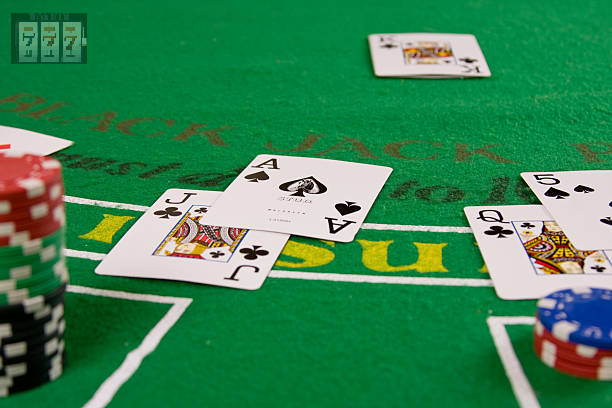
While luck undeniably plays a role in casino games, the importance of skill cannot be overlooked, particularly in games like poker and blackjack. In these games, the player’s decision-making abilities and strategic thinking heavily influence the outcome. Skilled players leverage their knowledge of game mechanics, probabilities, and psychology to gain an advantage over less experienced opponents. This aspect highlights that while luck can contribute to a win, it is skill and strategy that often lead to sustained success over time.
In skill-based games, grasping the nuances of gameplay can frequently outweigh the element of luck. For instance, in poker, a proficient player who can read their opponents, manage their bankroll effectively, and make calculated risks typically enjoys more success than a novice who relies solely on luck. Thus, the common assertion that “it’s all about luck” undermines the significance of player expertise and strategic foresight in determining outcomes in these games.
This distinction between luck and skill implies that players should critically evaluate their strengths and weaknesses when participating in various games. Those who prefer games based on chance will find that luck is a major factor. However, for individuals willing to dedicate time to hone their skills, games that permit strategic planning can yield a more favorable gaming experience overall, illustrating that luck is merely one component of a larger equation in casino play.
The Impact of Superstitions
Superstitions are deeply woven into the fabric of gambling culture, with many players convinced that specific habits or rituals can influence their luck. Common practices include wearing “lucky” clothing, carrying charms, or following strict routines before engaging in gameplay. While these actions may bolster a player’s psychological state—leading to increased confidence—they do not alter the fundamental probabilities of winning. It is crucial for players to recognize that these superstitions, while comforting, do not have any bearing on game outcomes.
The reliance on superstitions often arises from players’ desire to exert control in an environment characterized by unpredictability. When players attribute wins to their rituals, they may reinforce their beliefs, which can lead to compulsive behaviors. Acknowledging that these superstitions do not influence actual outcomes can empower players to approach their gambling with a more rational mindset, a key element in maintaining a healthy relationship with gaming and preventing issues related to gambling addiction.
Ultimately, understanding the psychological effects of these beliefs is essential. While superstitions can be entertaining and may serve as personal empowerment, attributing real outcomes to these practices can lead to misguided decisions. By emphasizing evidence-based strategies and focusing on skill development, players can cultivate a more sustainable gambling experience, free from the constraints of unfounded beliefs that might otherwise dictate their actions at the gaming table.
The Fallacy of Control
A prevalent myth in casino play is the belief that players can manipulate or control the outcomes of games through specific strategies or betting techniques. This misconception often drives players to devise elaborate systems aimed at maximizing their chances of winning. However, it is vital to understand that the nature of casino games, especially those reliant on chance, does not permit any meaningful control over results. This realization is crucial for players seeking to engage in gaming with a clear understanding of what to expect.
For example, many players believe they can “outsmart the house” by employing progressive betting systems or selecting tables based on prior outcomes. However, casinos are engineered to maintain a house edge, making it nearly impossible for any personal strategy to effectively overturn this fundamental reality. By understanding that these games are structured to favor the house in the long term, players can manage their expectations and mitigate disappointment, enhancing their overall gaming experience.
Moreover, the myth of control can lead to detrimental behaviors, such as chasing losses or increasing bets with the hope of recovering lost funds. These actions can spiral into significant financial difficulties. Acknowledging the limits of control in gambling allows players to adopt a healthier perspective, focusing on enjoyment rather than attempting to manipulate outcomes. This understanding is essential for promoting responsible gaming behavior, ensuring that players prioritize fun and entertainment over the pursuit of financial gain.
Understanding the Reality of Online Gaming
As advancements in technology continue to shape the gambling landscape, the rise of online gaming platforms has sparked numerous myths about how these games operate compared to traditional casinos. Many players believe that the outcomes of online games are drastically different from those experienced in physical casinos. In truth, reputable online casinos utilize similar odds and random number generation technology to create fair and impartial gaming experiences, debunking many misconceptions surrounding online play.
Despite the prevalent belief that online gaming is less regulated or more vulnerable to manipulation, trustworthy online casinos abide by strict regulations to ensure transparency and fairness. Players should be aware that licensed online gaming platforms undergo regular audits to verify the integrity of their games, dispelling the myth that online gambling is synonymous with unscrupulous practices. This commitment to fairness is crucial for fostering player trust and maintaining a healthy gaming environment.
Additionally, the convenience and accessibility of online gaming can lead to misconceptions regarding the idea of ‘instant’ luck. Players may mistakenly believe that because they can access games at any time, their chances of winning will increase. However, the underlying randomness and odds remain unchanged, regardless of whether one is playing online or in-person. Understanding these factors emphasizes the need for responsible gaming practices and awareness of time spent gambling, which is essential for maintaining a balanced approach to gaming, both online and offline.